International Yoga Day 2026: 12th Edition, Theme, Events
The 12th International Day of Yoga lands June 21 in Kolkata under the theme 'Yoga for Healthy Ageing' - what the science actually says, the official protocol, and how to join.
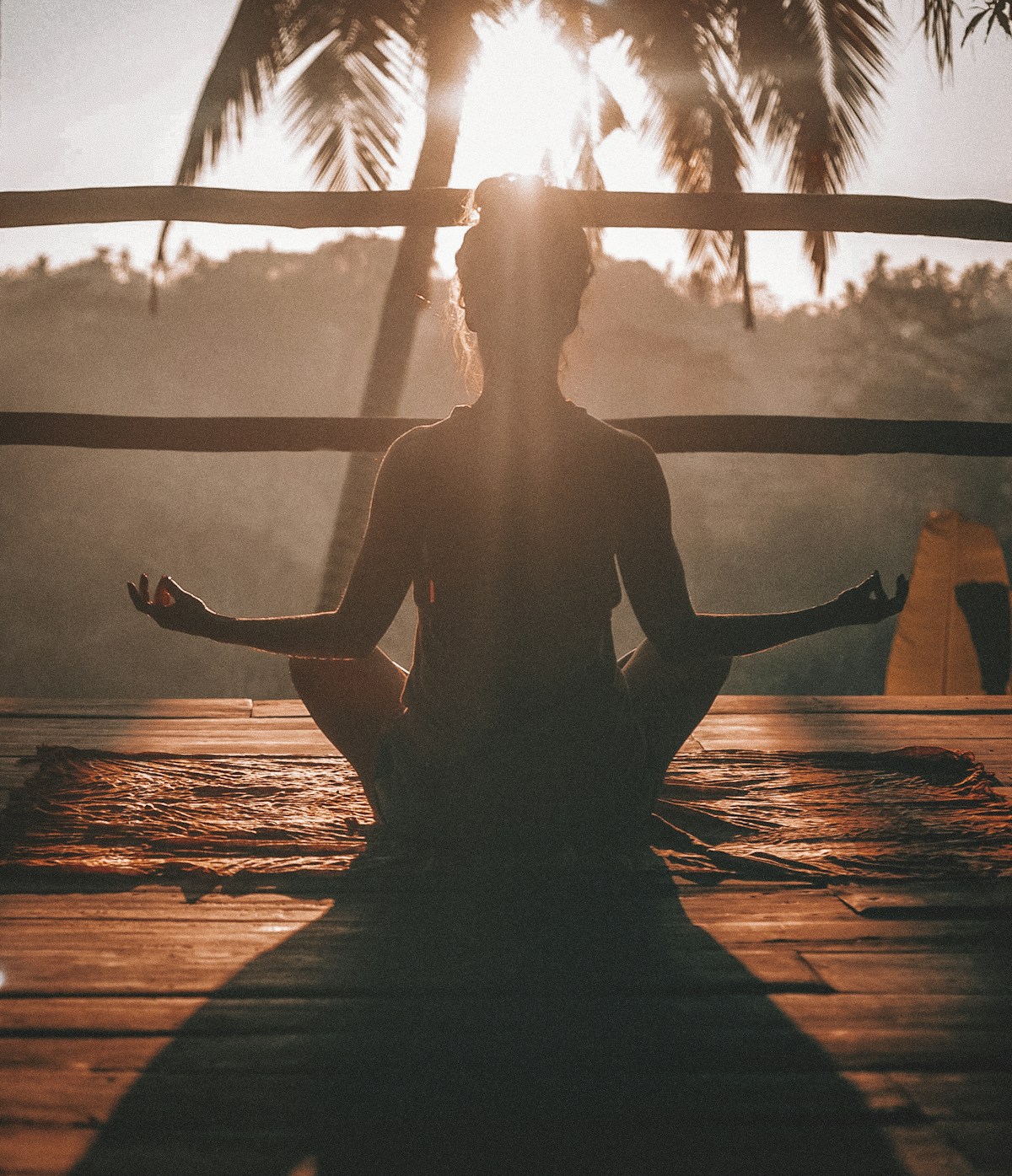
Every June 21 for the past decade, something quietly extraordinary has happened: hundreds of millions of people on six continents have rolled out mats — on rooftops, riverbanks, corporate lawns, and UN plazas — and moved together. The 12th International Day of Yoga on 21 June 2026 is no different in scale, but its theme shifts the conversation in a direction that feels overdue. This year's focus is "Yoga for Healthy Ageing" (Swasth Aayu Ke Liye Yog), announced by Union Minister of State (Independent Charge) for Ayush, Prataprao Jadhav, at the Yoga Mahotsav 25-day countdown held at the Khajuraho group of monuments.
The headline venue: Kolkata's historic Red Road, where Prime Minister Narendra Modi will lead the national celebrations. Simultaneously, yoga demonstrations will be held on 500 boats on the Hooghly river — a gesture that connects the day's theme of longevity to the living flow of the Ganga. More than 210 Indian missions abroad are coordinating events at approximately 2,500 sites worldwide, across over 190 countries, making this the most geographically dispersed edition yet (PIB, Ministry of Ayush; The Tribune).
Why "Healthy Ageing" — and Why Now
The UN projects that the global population aged 60 and over will double by 2050. India's own elderly population — already above 140 million — is growing faster than at any point in modern history. Lifestyle disorders (hypertension, type 2 diabetes, musculoskeletal disease, anxiety) increasingly affect people decades before old age. The Ministry of Ayush framed the 2026 theme explicitly to address this: yoga as a preventive, accessible, low-cost intervention aimed at extending not just lifespan but healthspan — the years spent without chronic disability (PIB press release, Ministry of Ayush, 2026; DD News).
This is distinct from treating yoga as a cure. The theme is best understood as a public-health framing: regular practice across a lifespan, started early and maintained, reduces the severity of the conditions most likely to shorten functional years. The evidence supporting that framing, while still developing, is substantial enough to be worth examining.
What the Research Actually Shows
The following claims are drawn from peer-reviewed clinical literature — not official yoga-promotion messaging. The quality of evidence varies; where study authors noted limitations, those are flagged.
Back pain. A 2023 overview of 13 systematic reviews published in Frontiers in Neurology (PMC10641484) found "strong evidence for short-term effectiveness and moderate evidence for long-term effectiveness of yoga for pain and disability associated with chronic low back pain." The authors evaluated methodological quality using AMSTAR-2 and GRADE. The honest qualification: the underlying systematic reviews were rated as relatively low methodological quality overall, meaning the effect sizes are directionally credible but should not be taken as precise (Frontiers in Neurology, 2023).
Blood pressure. A 2024 systematic review and meta-analysis in PLOS ONE (PMC12077774) pooled 30 randomised controlled trials with 2,283 participants diagnosed with prehypertension or hypertension. Yoga was associated with a mean reduction of −7.95 mmHg in systolic and −4.93 mmHg in diastolic blood pressure versus waitlist control. The authors rated the quality of evidence as "very low" — important to note — citing heterogeneity across interventions. That caveat said, even modest sustained reductions in blood pressure carry significant cardiovascular risk benefit at a population level (PLOS ONE, 2024).
Anxiety and depression. A 2023 systematic review and meta-analysis in BMC Complementary Medicine and Therapies examined nine RCTs (n=581) on mindfulness-based yoga for major depressive disorder and found statistically significant reductions in depression scores. A separate 2024 RCT published in Frontiers in Public Health found a 12-week yoga programme reduced both state anxiety and trait anxiety in university students compared to a control group (Frontiers in Public Health, 2024). The NCCIH (US National Center for Complementary and Integrative Health) summarises the evidence as indicating yoga "appears to be helpful" for anxiety and depression — a deliberately conservative phrasing that reflects genuine effect without overstating certainty (NCCIH, NIH).
None of these studies make claims about yoga curing disease. What they collectively support is a picture of yoga as a well-tolerated, low-adverse-event intervention that produces clinically relevant improvements in three of the conditions most associated with reduced healthy lifespan.
One additional consideration relevant to the 2026 theme: older adults are often underrepresented in yoga research. Most RCTs skew towards working-age adults. The Frontiers in Neurology overview specifically calls for better-quality trials in older populations with chronic conditions — a gap the global IDY spotlight may help accelerate by driving institutional funding toward age-specific study designs. For now, the weight of existing evidence reasonably supports recommending yoga as a complement to, not replacement for, conventional management of hypertension, musculoskeletal pain, and stress-related conditions.
The Official Common Yoga Protocol: What You'd Actually Do
The Ministry of Ayush has developed the Common Yoga Protocol (CYP), a standardised 45-minute session designed for mass participation across all fitness levels. It is the sequence PM Modi and participants at Red Road will follow on June 21. The protocol is structured as follows:
- Loosening practices (neck bending, trunk rotation, knee movement) — warm-up, approximately 5 minutes
- Standing asanas: Tāḍāsana (mountain pose), Vṛikṣāsana (tree pose), Pāda-Hastāsana (standing forward bend), Ardha Cakrāsana (half-wheel), Trikoṇāsana (triangle pose)
- Sitting asanas: Vajrāsana, Bhadrāsana, Ardha Matsyendrāsana
- Prone asanas: Makarāsana, Bhujaṅgāsana (cobra)
- Supine asanas: Uttāna Pādāsana, Śavāsana (final relaxation)
- Prāṇāyāma (breathing practices): Anulom-Vilom, Kapalabhati, Bhramari
- Dhyāna (sitting meditation): approximately 5 minutes
The full protocol is available on the official AYUSH portal (yoga.ayush.gov.in) and the Ministry of External Affairs PDF. All asanas are beginner-accessible. Participants with mobility limitations can perform seated modifications; the official documentation acknowledges variations.
A Brief History: How June 21 Became Global
On 27 September 2014, Prime Minister Modi proposed a UN International Day of Yoga in his address to the UN General Assembly. The resolution (A/RES/69/131) was co-sponsored by a record 177 nations — the largest co-sponsorship for any UN resolution at the time — and was adopted on 11 December 2014. The first IDY was held on 21 June 2015, with the main event at Rajpath in New Delhi drawing tens of thousands of participants (UN International Day of Yoga).
The date — summer solstice in the Northern Hemisphere, the longest day of the year — was chosen at Modi's suggestion, given the solstice's significance across many world cultures. Since 2015, the IDY has cycled through themes ranging from "Yoga for Heart" (2019) to "Yoga for Humanity" (2022) to "Yoga for Self and Society" (2023). The 2026 ageing-focused theme is a direct response to demographic reality.
Major Events Across India: 21 June 2026
| City | Venue / Initiative | Notes |
|---|---|---|
| Kolkata | Red Road (main national event) | PM Modi leads; 500 boats on Hooghly simultaneously |
| New Delhi | Multiple sites via Morarji Desai National Institute of Yoga (MDNIY) | MDNIY coordinating Yoga Mahotsav city-wide |
| Pan-India | 100 iconic locations (100 Cities, 100 Organisations initiative) | Mass demonstrations at heritage and civic sites |
| Varanasi / Rishikesh | Ganga Tat Yoga Yatra (concludes June 20) | 8-day river-linked yatra from Gangotri to Gangasagar |
| Indian missions abroad | ~2,500 sites in 211 countries | ICCR + Ministry of External Affairs coordination |
Events at each city's iconic sites are typically open to the public without registration; local district administrations and yoga federations confirm timings in the days immediately preceding June 21. The Indian Federation of Yoga (indianfederationyoga.org) maintains a city-wise listing updated annually.
How to Participate
If you're in India:
- Check the Ministry of Ayush's official portal (yoga.ayush.gov.in) for registered local events. District administrations, municipal bodies, and schools typically confirm public venues a week before June 21.
- Download the Common Yoga Protocol PDF (available at mea.gov.in) and practice the sequence at home or with a neighbourhood group if you cannot reach a public event. No equipment required beyond a mat or a clean floor surface.
- The 45-minute CYP is designed to be suitable for ages 8 to 80. If you have joint conditions, spinal injuries, or cardiovascular disease, consult a physician before attempting prone or inverted poses; the seated and standing postures in the protocol are generally considered low-risk.
If you're outside India:
- The nearest Indian embassy or consulate mission is likely organising an event; check with the Indian Council for Cultural Relations (ICCR) chapter in your city.
- The UN officially marks June 21 with its own programme, historically held at UN Headquarters in New York; details are posted on the UN observances page (un.org).
- Streaming of the Kolkata main event will likely be available via the PIB India YouTube channel and DD National — start times are announced in the days immediately preceding the event.
For beginners who want to sustain the practice beyond June 21:
The research cited earlier suggests that 8–12 weeks of consistent practice produces measurable changes in pain scores, blood pressure, and anxiety markers. A single Yoga Day participation is a useful introduction, but the evidence base is built around regular, sustained sessions — two to three times per week at minimum. The Common Yoga Protocol is a credible starting point: government-reviewed, beginner-appropriate, and free.
Primary sources: PIB Ministry of Ayush — IDY 2026 theme announcement; PIB — Kolkata venue confirmation; PLOS ONE 2024 meta-analysis on yoga and hypertension; Frontiers in Neurology 2023 overview on yoga and back pain; UN International Day of Yoga; The Tribune.