Gold at Record Highs: Why It's Surging and What's Next
Gold has blown past ₹1.5 lakh per 10 grams after a 61.5% surge in 2025. Safe-haven demand, central-bank buying and a weak rupee are driving it. What it means for Indian savers — and the cautions.
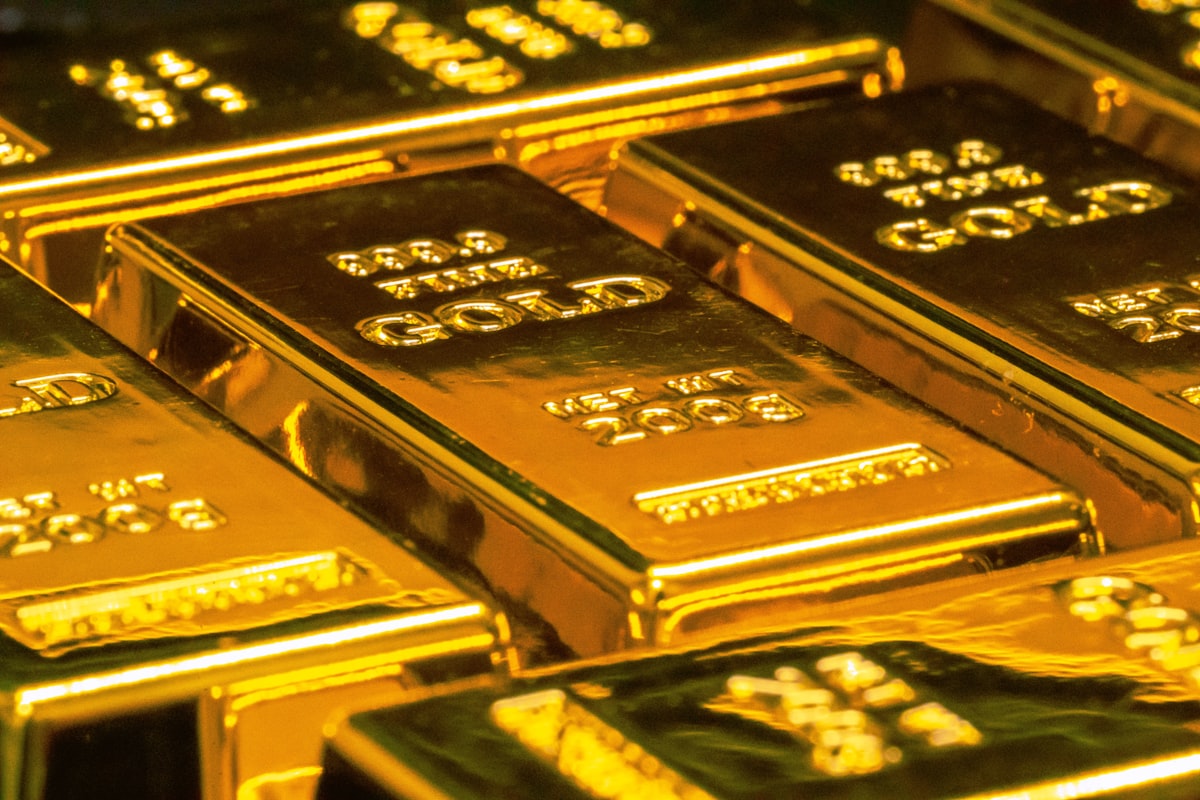
In an Indian household, gold has never been just an investment. It's a wedding gift, a festival purchase, a grandmother's security, a loan collateral in a tight month. So when the price of 10 grams pushes past ₹1.5 lakh in 2026 — a level that would have seemed absurd a few years ago — it lands differently here than almost anywhere else. Gold has had a spectacular run: after returning a remarkable 61.5% in calendar 2025, it's added another 11.5% so far in 2026, outperforming Indian equities, bonds, and most global indices along the way. The metal that's supposed to be boring has been the best-performing asset of the moment.
Why is gold surging, is there room left to run, and what should an ordinary Indian saver make of it? Here's the picture — as general information, not a recommendation to buy or sell anything.
The scale of the rally
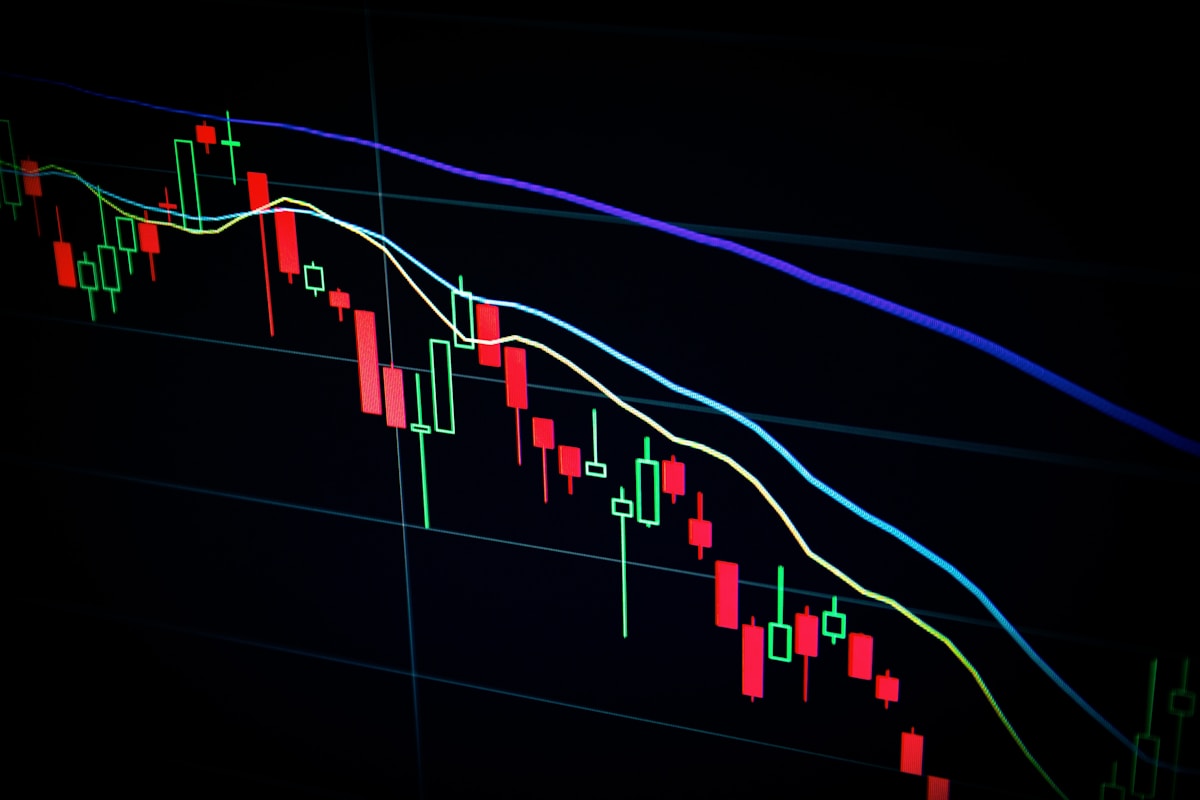
The numbers tell the story of a multi-decade asset doing something unusual. Gold in India has climbed from roughly ₹63 per 10 grams back in the 1960s to above ₹1.5 lakh per 10 grams in 2026 — and the steepest part of that climb has been recent, with a massive surge running from early 2025 through 2026. Per analysis from sources including J.P. Morgan Global Research and Business Today, gold has dominated asset-class performance charts, delivering returns that embarrassed most other investments through this stretch.
For Indian buyers there's a double effect at work, and it's important to understand it. The global gold price is set in US dollars. The price you pay in rupees is that dollar price converted at the exchange rate. With the rupee near record lows against the dollar, the rupee price of gold has risen even faster than the dollar price — a weak currency amplifies the climb. So part of why gold feels so expensive in India is the same force pushing up fuel prices: a softer rupee makes everything priced in dollars dearer.
Why gold is surging: five forces
Gold doesn't pay interest or dividends; its price is driven almost entirely by demand and sentiment. Five forces, per analyses including Anand Rathi, are pushing it up at once:
- Safe-haven demand. This is the classic role. When financial markets get uncertain, investors flee to assets that don't depend on any government's promises. Gold's value doesn't rest on political decisions, sanctions, or a central bank's monetary policy — which is precisely its appeal when those things look shaky.
- Geopolitical tension. Conflict in the Middle East and the ongoing Russia–Ukraine war have kept a steady bid under gold. Uncertainty is gold's best friend.
- Central-bank buying. This is the structural story beneath the headlines. Central banks — especially in BRICS nations — have been buying gold in record volumes, averaging around 1,000 tonnes a year from 2022 to 2025, with China, Russia, and India among the accumulators. When central banks buy to diversify away from the dollar, it's persistent, price-insensitive demand.
- Persistent inflation. Gold has long been seen as a hedge against the erosion of paper money's value. Sticky global inflation keeps that thesis alive.
- The weak rupee (for Indian buyers). As above, currency weakness magnifies the rupee price.
The central-bank point deserves emphasis because it's different from a typical speculative rally. When institutions buy gold as a long-term reserve asset to reduce reliance on the dollar, that's a slow, structural shift in demand — not fast money that vanishes at the first dip. It's part of why this rally has had staying power.
Should Indian savers chase it? A balanced view
This is where caution matters most, and where nothing here is advice for your specific situation. A few principles worth weighing:
The case for some gold
- Diversification. Gold often moves differently from stocks and bonds, so a modest allocation can cushion a portfolio when other assets fall. That diversification benefit is real and well-established, independent of any single year's return.
- A genuine hedge. In exactly the kind of uncertain, geopolitically tense, weak-currency environment India faces now, gold has historically done its job.
The case for caution
- Past returns don't predict future ones. A 61.5% year is extraordinary and, by definition, not normal. Buying an asset because it just soared is how investors get hurt — you may be buying near a peak. No one, including the analysts forecasting "new highs," actually knows where the price goes next.
- Gold produces no income. Unlike a deposit that pays interest or a stock that may pay dividends, gold just sits there. Its only return is price appreciation, which can stall or reverse for years.
- Concentration is risk. Indian households already hold enormous quantities of gold. Pouring more savings into an asset you're already heavy in increases risk rather than reducing it.
The conventional wisdom most advisers offer — and this is general, not personal guidance — is that gold works best as a modest slice of a diversified portfolio (often cited in the rough range of 5–15%), held for its diversification and hedging properties, not as a get-rich bet chased after a big run.
How Indians can hold gold
For those who do allocate, the options have expanded well beyond jewellery and coins:
- Physical gold (jewellery, coins, bars) — culturally central, but carries making charges, storage, and purity concerns.
- Gold ETFs and gold mutual funds — exposure to the price without storing metal.
- Sovereign Gold Bonds — government-issued, historically paying a small interest rate on top of the gold price (subject to availability of new issues).
- Digital gold — small-ticket online purchases backed by physical metal.
Each has different costs, taxes, and liquidity, which is exactly the kind of detail worth checking against your own needs before acting.
Gold's special place in the Indian household
To understand why this rally lands so hard in India, you have to understand that India is one of the largest gold-consuming nations on Earth, and that gold here is woven into the social and financial fabric in a way it isn't almost anywhere else. Indian households are estimated to hold tens of thousands of tonnes of gold collectively — a staggering private hoard accumulated over generations through weddings, festivals like Akshaya Tritiya and Dhanteras, and the simple instinct that gold is the safest store of family wealth.
That cultural weight has concrete financial consequences as prices surge:
- Wedding and festival demand meets sticker shock. Gold buying tied to weddings and festivals is partly non-negotiable in many families, so record prices don't stop the purchase — they stretch budgets, push buyers toward lighter or lower-carat pieces, and pull some demand toward coins and digital gold over heavy jewellery.
- Gold loans become more valuable — and more common. A vast gold-loan industry lets Indians borrow against the metal they hold. When gold prices rise, the same necklace backs a larger loan, which can be a genuine financial cushion for households needing liquidity — one of the few ways the price surge directly helps ordinary holders.
- Existing holders feel wealthier. The flip side of expensive gold is that the enormous quantity already sitting in Indian households has appreciated dramatically. For families who bought years ago, the rally is a windfall on paper.
This dual identity — gold as both cherished possession and financial asset — is why the Indian relationship with a gold rally is more complicated than a simple "expensive = bad." It stings the buyer and rewards the holder, often within the same family.
What to watch
- Geopolitics and the dollar. Gold's rally is built on uncertainty and central-bank diversification away from the dollar. A durable easing of global tensions, or a strong dollar turn, could take the wind out of it. A worsening picture could push it higher still.
- Central-bank buying trends. The ~1,000-tonnes-a-year accumulation by central banks is the structural pillar of this rally. Watch whether that buying continues; it's a better signal than any single day's price.
- The rupee. For Indian buyers specifically, the currency is half the story. A stabilising or strengthening rupee would slow the rise in domestic gold prices even if global gold holds steady.
- Your own allocation. The most useful thing to watch is your own portfolio. If gold's surge has quietly made it an outsized share of your savings, that's a prompt to think about balance — not to pile in further.
Gold at record highs is the market's way of pricing in a nervous world — conflict, inflation, a shaky dollar, and central banks quietly hedging their bets. For Indians, for whom gold is both heritage and asset, the surge is hard to ignore. But the discipline that serves investors well in calm markets serves them best in frothy ones: hold gold for what it does in a portfolio, not for what it did last year, and never confuse a spectacular run with a guarantee of more to come.
This article is general information about markets and personal finance, not individual investment advice. Consider your own circumstances and consult a qualified adviser before investing.